The Challenge: Keeping Spectators Engaged at Community Tournaments
For Eccleston Park Tennis Club, a small community club just outside Liverpool, England, tournaments were always popular events—but there was a problem. Spectators couldn't follow the action unless they stood courtside for the entire match. Parents would arrive midway through their child's game with no idea of the score. Visitors would wander between five courts, unable to tell which matches were close.
Marc, a data analyst and volunteer at the club since age 17, explains what they needed:
"One of the things that was really kind of drew us to KeepTheScore was the simplicity of the tool. We wanted to try and enhance those tournaments based on having screens up around our tennis club that would tell people the actual live score that was happening on the tennis court, because we don't normally have that."
The club, formed in 1904 and run entirely by about 10 volunteers, needed a solution that would display real-time scores for spectators, work on a tight budget (£50 maximum for a 60-player tournament), be simple enough for junior members to operate, and work across multiple courts without complex setup.
Critically, whatever they chose needed to help keep people at the club longer—buying food and drinks to support the not-for-profit organization.
Finding the Right Solution: Price Point and Simplicity
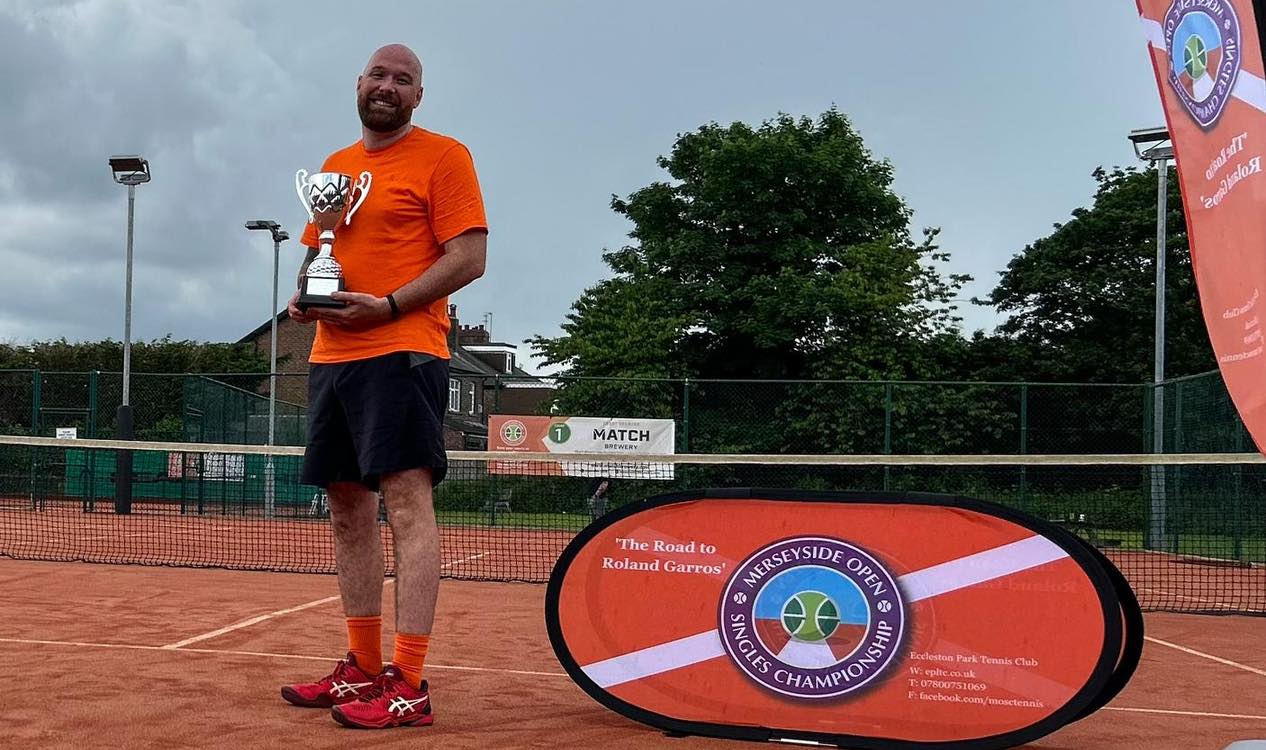
Marc started his search in April, looking for options ahead of the club's May tournament, the Merseyside Open—an event that draws players from clubs across Liverpool. He asked the UK's Lawn Tennis Association (LTA) for recommendations and searched online.
The LTA's official partner, a Dutch company called TTP, quoted £700 for one court for one day—a price point that was immediately disqualifying for a volunteer-run club operating on entry fees of £15 per player.
Using ChatGPT to search for alternatives, Marc found KeepTheScore at the top of results. He compared pricing:
- TTP: £700/day - far beyond budget
- Stats-focused app: £60-70/month with player analytics, but lacked streaming integration and was app-based
- KeepTheScore: ~$20 for what they needed
But the decision wasn't just about price. During his trial of KeepTheScore, Marc discovered something crucial:
"It's such an easy tool to use. My 6-year-old nephew was able to do it... I could work it out, and it was that simple. I love the fact that when I showed you that screen before it had a tournament logo on it, it had all the tournament colors that matched how the club looked at the time."
The simplicity mattered because Marc wanted to hand off scorekeeping to junior members aged 14-15 who weren't playing in the tournament. With more complex tools, he wouldn't have been able to delegate effectively.
The Implementation: From Screens to Streaming
The Original Plan:
Marc's initial vision was straightforward: set up TVs around the club showing live scores, have scorekeepers track matches using phones or laptops, and give spectators real-time updates so they'd know when to watch key moments.
The Unexpected Discovery:
While experimenting with KeepTheScore during his trial, Marc noticed something in the interface:
"I literally pressed open display scoreboard, and it said, you can put this into say like your OBS streamlabs type of thing. I would not have looked into that if it didn't say that."
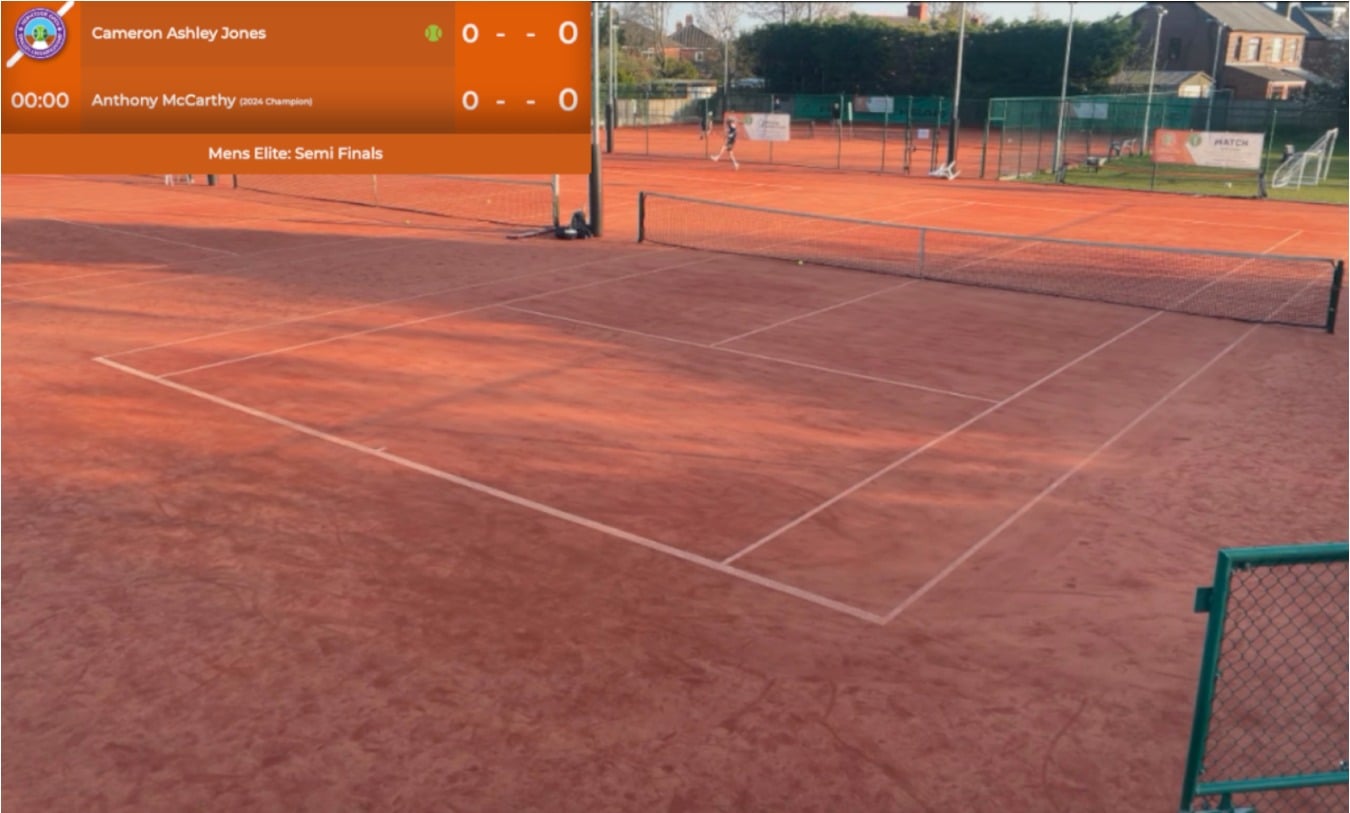
This discovery transformed the event. The club decided to stream the tournament on YouTube, embedding the live scoreboard into the video feed.
Equipment and Setup:
The setup was remarkably modest:
- Camera: ~£100 (initially tried iPhone, upgraded to basic camera)
- Accessories: Telescopic stand, microphone
- Total investment: ~£250 for reusable equipment
- Software: KeepTheScore embedded in YouTube stream via OBS
The investment was justified because the equipment would serve multiple future tournaments—not just a one-time expense.
The Results: Beyond Expectations
Engagement at the Club
The impact on in-person attendance exceeded expectations. The live scores did exactly what the club hoped—kept people at the venue:
"We knew that having a live score there would keep people there for longer. I don't think we realized the impact of what it would do. That was the thing that was really surprising for us."
This translated directly to increased concession sales and stronger community atmosphere throughout the three-day event.
The Streaming Breakthrough
What started as a last-minute addition became the tournament's standout feature:
- Organic sharing: Players shared stream links in WhatsApp groups across Liverpool tennis clubs
- Remote viewing: Parents, friends, and club members from other locations watched live
- Marketing content: Created library of YouTube footage for promotional use
The Most Meaningful Result
But the most powerful outcome was a story Marc shares with obvious emotion:
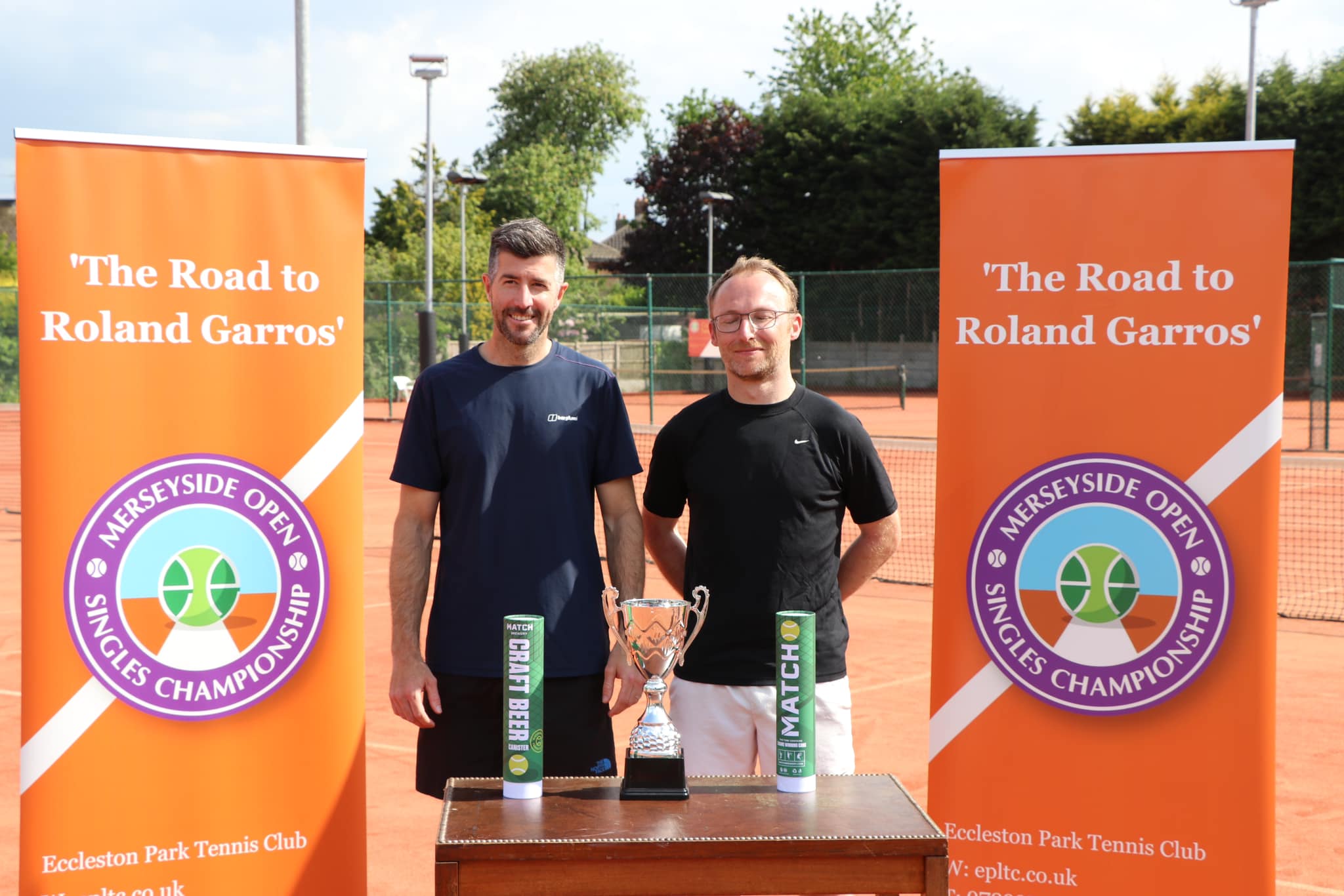
"One of the lads who got to the finals—his granddad's really not well at all. His granddad's not been able to watch him play tennis all year, because he can't leave the house. But we were able to share a link with him, and he managed to watch his grandson win a final. That type of stuff was just like all the effort that had got into it made it really, really nice, and something that we'd always do now."
Why It Works for Small Sports Clubs
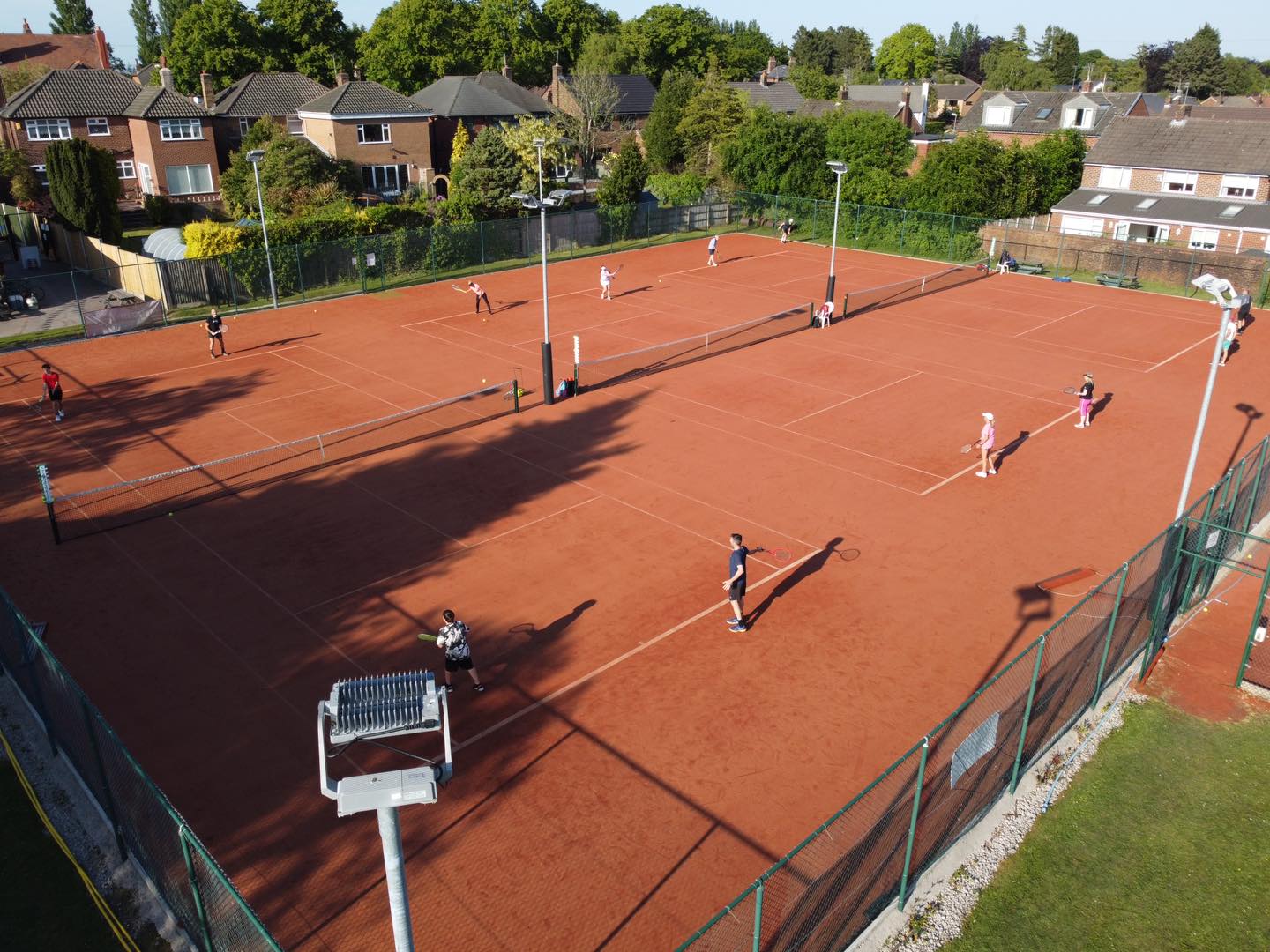
Marc's club represents thousands of small, volunteer-run sports organizations with limited budgets but high ambitions to serve their communities.
Budget-Conscious Decision Making
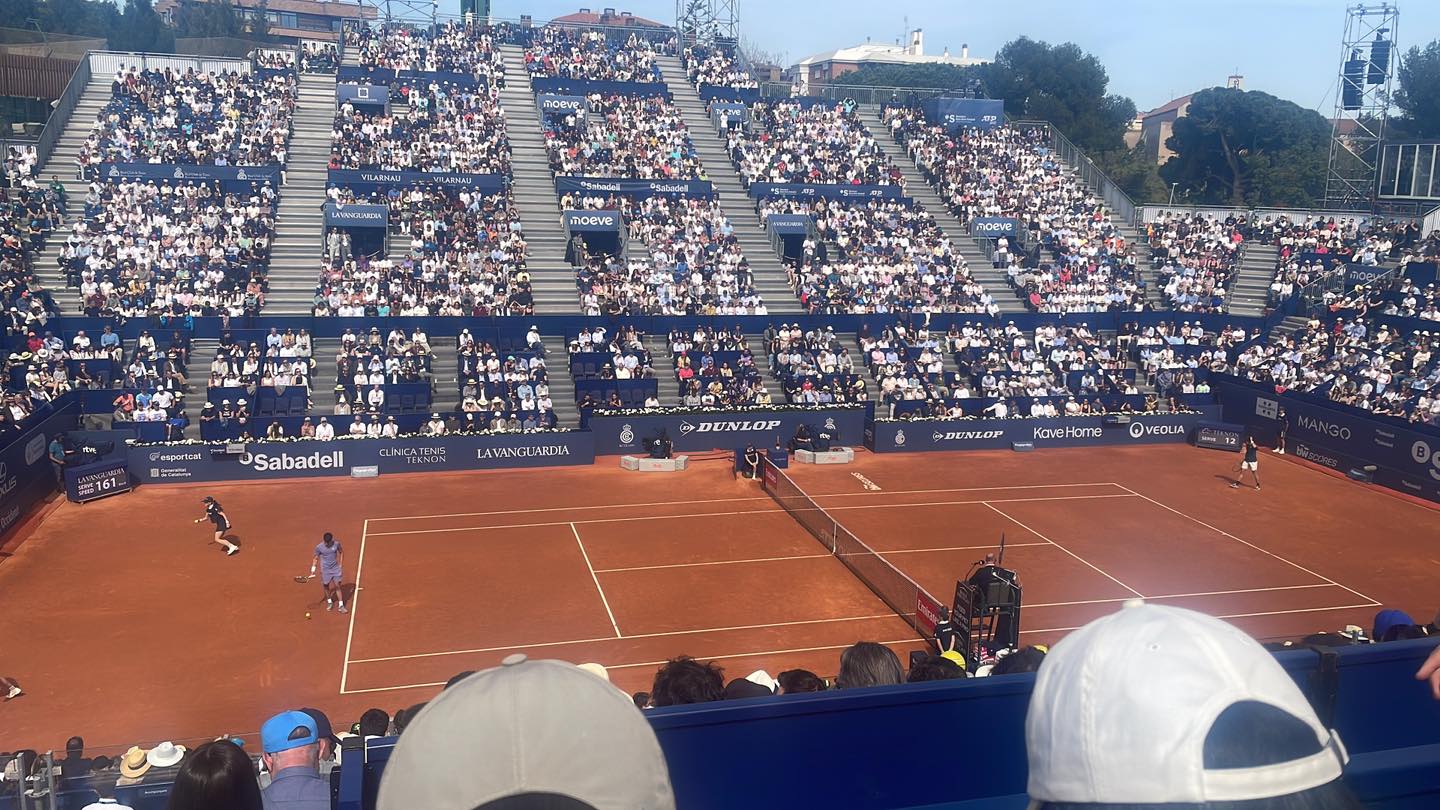
The club operates on tournament entry fees (£15 × 60 players = £900), with strict limits on spending. Marc's budget for scoring was maximum £50—anything more would eat into funds meant for facility improvements.
The club grew from near-closure to 180 adult and 100 junior members through careful investment in courts, floodlights, and member experience. Every pound spent on tournaments competes with investments in facilities.
The Power of Simplicity
Complex tools would have required Marc to operate everything himself. Instead, the club rotated 6-7 scorekeepers switching hourly—crucial for maintaining accuracy over three full days.
Discovery Through Trial
Marc's decision happened quickly—after just the first use during social play nights, the club committed without looking elsewhere. No sales calls. No lengthy procurement.
Looking Forward
Eccleston Park Tennis Club plans to use KeepTheScore for all future major tournaments—typically 2-3 singles events and 5-6 doubles tournaments per year. Marc's approach reflects the reality of volunteer organizations:
"I'd probably buy it for a week. I get pro version for a week, and then I drop it, and then the next one I'd get the pro version for a week, and drop it. And the main reason for that is that it's not my money that I'm spending, and we're really, really careful."
The March-to-August tennis season in Britain is short. The budget is tight. But the impact is undeniable.
Key Takeaways
Critical Success Factors
- Live scores increase venue engagement: Real-time updates kept spectators at the club longer, increasing concession revenue
- Simple tools enable volunteer organizations: Complexity requires dedicated operators; intuitive tools enable rotation of 6-7 volunteer scorekeepers
- Budget equipment is sufficient: £250 one-time investment in basic streaming gear serves multiple future events
- Streaming extends community reach: Remote viewing connects families and creates shareable promotional content
Technical Implementation Insights
- Browser-based operation eliminates app installation friction for volunteer scorekeepers
- Multiple people can update scores simultaneously from different devices
- Tennis scoreboard customization with tournament branding creates professional appearance
- OBS/Streamlabs embedding enables YouTube streaming integration
- Mobile-first design works when scorekeepers manage five courts with only phones
Ready to bring live scoring and streaming to your tennis club? Get started with KeepTheScore and see how real-time scores can transform your tournament experience.