Power Play in Hockey: 5-on-4, 5-on-3 and 4-on-4 Explained
What a power play and a penalty kill are in hockey, when a minor ends early, how a two-man advantage and 4-on-4 work, and how a scorebug should show each.
Article Contents
A player trips someone, the referee's arm goes up, and the player skates to the penalty box. For the next two minutes their team plays with four skaters instead of five. The other team has a power play. The team that's a player down is on the penalty kill.
That's the whole idea. The details that trip people up are when the penalty ends early, what happens when both teams take one, and which team the scoreboard should be pointing at.
Penalty Lengths
- Minor: 2 minutes. Tripping, hooking, slashing, holding, interference.
- Double minor: 4 minutes, served as two minors back to back. Usually high-sticking that draws blood.
- Major: 5 minutes. Fighting, or a minor-type foul that injures someone or was reckless.
Youth leagues with short periods often scale these down. USA Hockey, for example, uses 1:30 minors with 13–16 minute periods and 1:00 minors with 12-minute periods or shorter.
When a Power Play Ends Early
A minor ends the moment the power-play team scores. The player comes out of the penalty box and the teams go back to 5-on-5. Only one minor ends per goal: the one with the least time left.
A double minor is two minors, so a goal during the first half wipes out what's left of that half and the second two minutes start. A goal during the second half ends it.
A major never ends early. The team serves all five minutes, however many goals go in. That's why a five-minute major can decide a game.
Two-Man Advantage: 5-on-3
If a second player from the same team goes to the box while the first is still serving, the power play becomes 5-on-3. Teams never drop below three skaters. A third penalty is "stacked": the player sits, a teammate stays on the ice, and the third penalty's clock only starts when the first one runs out.
Two players short is the worst spot in hockey for a defense. The penalty killers stop chasing the puck and protect the slot, and everyone in the building watches the clock.
 Two Ashford Rovers players are in the box. The readout sits under the team with the advantage and counts down to the end of the shorter penalty.
Coincidental Minors and 4-on-4
When both teams take a minor at the same stoppage, nobody gets an advantage. In the NHL, one minor each at even strength means both teams play 4-on-4 until the penalties expire. A goal doesn't release either player, because neither team was shorthanded.
Bigger sets of matching penalties, and the fighting majors that come in pairs, are usually served without anyone leaving the ice: teammates substitute, and play stays 5-on-5. Leagues word this differently, so check your rulebook.
Penalties don't always line up. If one team's minor ends first, that team gets back to five first and has a short power play of its own.
What the Scorebug Should Show
The single most common mistake on a homemade hockey overlay: lighting up "power play" for both teams, or under the team that took the penalty. One of our customers told us exactly that. A scorebug that says "power play" for both sides is wrong, and hockey fans notice.
Here's what the KeepTheScore hockey scoreboard does instead. It works the situation out from the running penalties:
- One team short: "Power Play" under the team with more skaters, with the time until the advantage ends.
- Two short: "2 Man Adv", with the time until the first of the two penalties runs out.
- Equal penalties: "4-on-4" (or "3-on-3"), not "power play". If one team's penalty ends first, the readout moves under that team, because that's the side that gets the advantage first.
The scorekeeper's panel has a "+1 Power-play goal" key. It adds the goal and ends the right penalty in one tap: the minor closest to expiring, or the first half of a double minor. Majors keep running. Penalty clocks also stop on their own during intermissions, so a penalty that carries into the next period resumes where it left off.
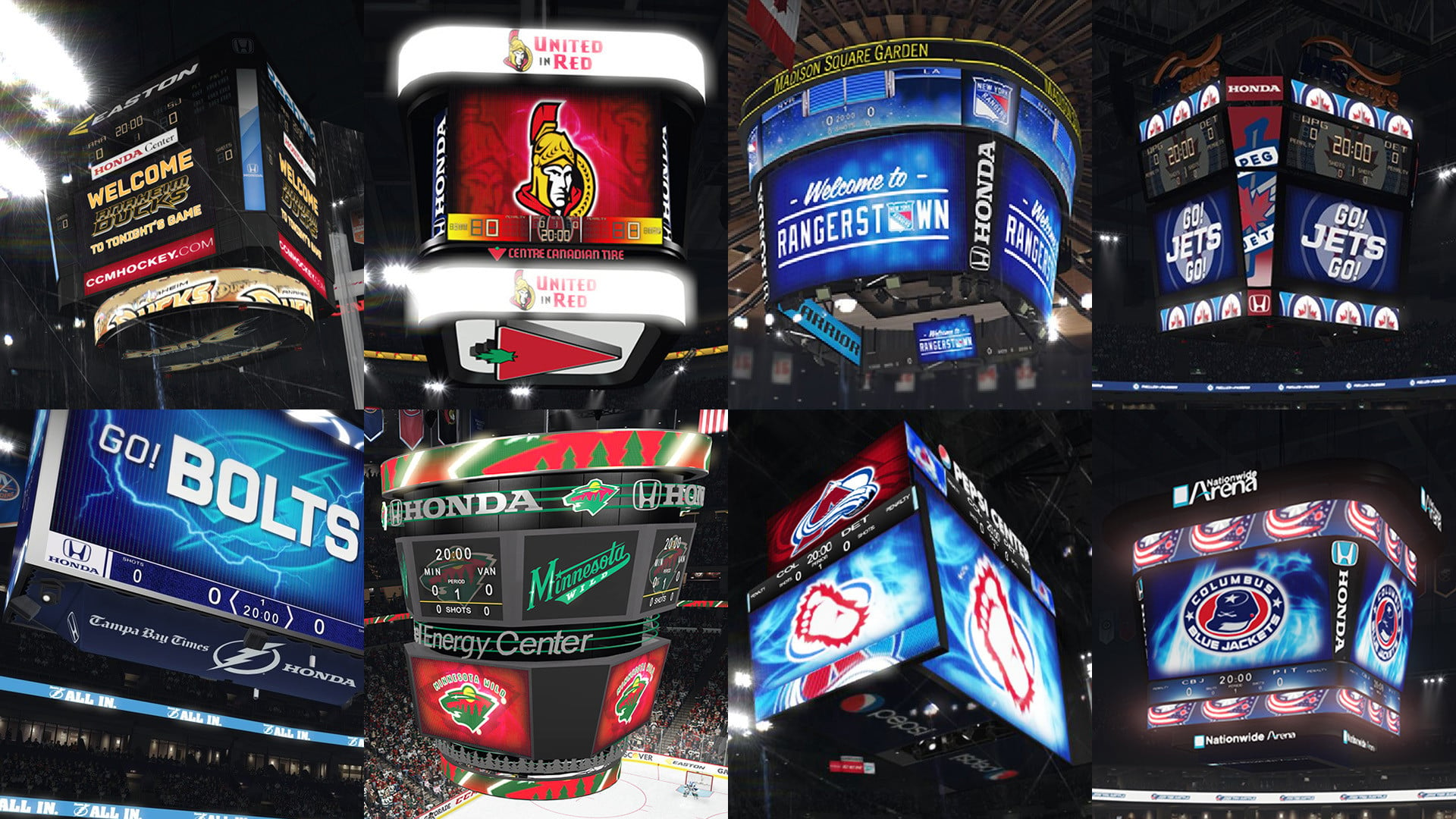
You can also switch the power-play readout off and list each penalty with the player's number and its own countdown instead. Arena boards tend to do that. Streams tend to show the power play.
Related Rules
- Hockey shootout rules: what happens when overtime doesn't settle it.
- Empty net, pulled goalie and delayed penalty: the other times a team plays with an extra skater.
- Hockey scoreboard explained: every number and clock on an arena board.
Running a game or a stream? The hockey scoreboard does the penalty math for you from your phone.

Written by Caspar von Wrede
Founder of KeepTheScore. Building tools that help teams track scores and celebrate wins.